Patio dining table sizes that fit real outdoor spaces
Start with the space, not the table
Choosing among outdoor dining tables is less about picking a style first and more about matching the table to the patio. A table that looks generous in a showroom can make a small terrace feel cramped, while a compact set can leave a large deck looking unfinished. The useful starting point is the clear area available for eating, not the full size of the patio.
Measure the rectangle where people will actually sit. Include the path to the house, the route to steps, and any space used by planters, grills, loungers, or a pool fence. A patio may be long and narrow, square, or broken into zones by a corner wall. Each shape changes which table dimensions feel comfortable.
Resin furniture is often chosen for outdoor use because it can handle patio conditions with less fuss than many natural materials. Nardi and similar ranges include compact cafe sets, larger dining sets, and pieces suited to poolside or commercial seating. The same sizing principles apply whatever the material: leave enough room to pull out a chair, walk past a seated guest, and keep the setting relaxed.
The clearance that makes a table usable
Table size alone does not decide comfort. Clearance space around the table matters just as much. A chair needs room to slide back, and a person needs room to pass behind it without turning sideways. If the table sits close to a wall, railing, or planter, the effective dining area becomes smaller than the patio plan suggests.
As a practical rule, allow roughly 90 cm, or about 3 feet, from the table edge to a fixed obstacle where a chair will be used. For a main walkway, more room is better. Where traffic runs past the table often, such as between a kitchen door and a pool gate, give that route priority. A slightly smaller table will feel better than a large one that blocks movement.
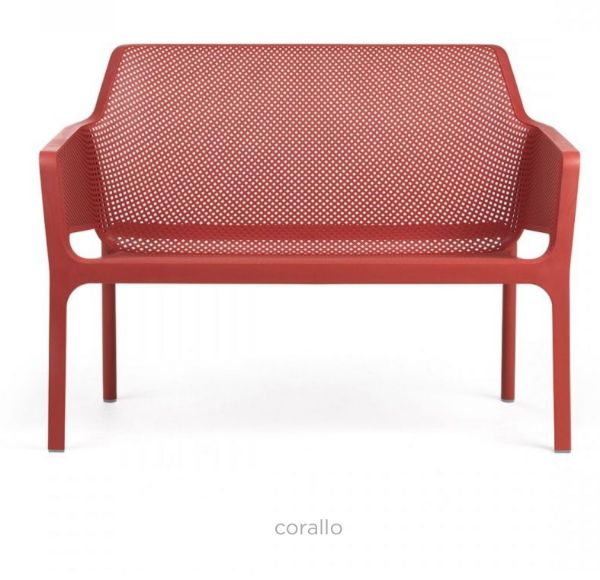
Seat spacing also shapes the choice. Chairs should sit close enough for easy conversation but not so close that elbows collide. Round and oval tables soften tight corners and make it easier to slide in from different angles. Rectangular tables use space efficiently and work well when the patio has a clear long side.
Small patios and balconies
For a small patio or balcony, the best outdoor dining tables are usually the ones that keep daily circulation open. A compact round table can serve two people well and may squeeze in three for a casual meal. A small square table can tuck neatly into a corner, though corners can be awkward when chairs are pulled out at an angle.
Look at the chair footprint, not only the tabletop. A bistro set with slim chairs may fit where a full dining chair feels heavy. Foldable or stackable pieces can also help when the same area is used for gardening, lounging, or entryway traffic. If the table is meant for morning coffee more than dinner, a smaller top is often the better choice.
Avoid filling every available inch with seating. A narrow patio needs breathing room around the set, especially if a door opens outward or a gate swings across the area. Leaving some open space makes the setting feel calm and keeps the table practical.
Medium patios for everyday meals
On a medium patio, a round or rectangular table can support regular meals without taking over the space. Round tops suit four chairs comfortably when there is enough room behind each seat. They also make conversation easier because no one sits at a distant corner. Rectangular tops are useful when the patio has one clear dining zone and a wall or railing that can anchor one side.
Table diameter matters most with round designs. A top that is too small for the number of chairs turns every meal into a shuffle, while an oversized top pushes chairs into walkways. Think about the usual number of diners rather than the largest possible gathering. A table sized for everyday use will get more value than one reserved for rare occasions.
This is where well-chosen outdoor dining furniture can make the patio feel organized. Matching chairs, a stable table base, and a finish that suits the setting all help the area read as a dining zone rather than a leftover corner. The goal is not to copy an indoor dining room outside, but to create a place where people can sit comfortably and linger.
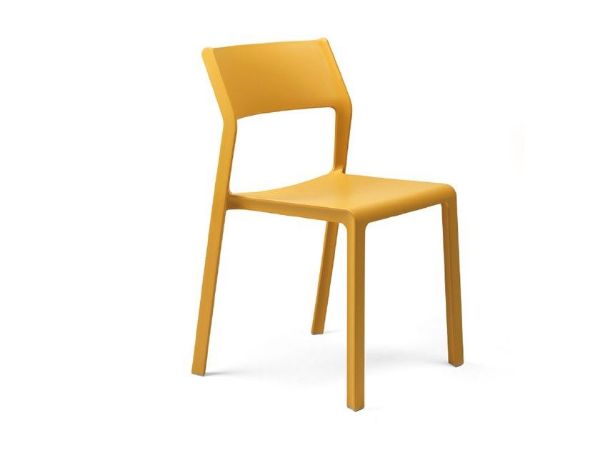
Large patios, poolsides, and open decks
Larger spaces can carry longer tables, but they still need a plan. An oversized table placed in the middle of a wide deck may leave awkward empty zones around it. It can help to divide the patio into areas: dining, lounging, cooking, and circulation. The table should sit within the dining zone, close enough to the house for convenience but not in the busiest route.
For poolside settings, consider the space around chairs and the direction of foot traffic. Wet feet, towels, and pool equipment can make a dining area feel crowded if the table is too close to the water path. Resin seating can be a practical fit in these areas, especially where furniture is moved often or exposed to sun and splashes.
Long rectangular tables suit larger groups, but they need clear access along both sides. If one side sits against a wall or railing, guests may need to climb in or slide along the bench. That can be acceptable for casual seating, yet it is less comfortable for longer meals. A wider table can also create a reach problem, with people at the center struggling to pass dishes.
Choosing capacity without overfilling
Guest capacity is easy to overestimate. Chairs can be added to a table, but comfort drops when they sit too close or block one another. A good way to judge capacity is to picture the table in use, with plates, glasses, serving bowls, and chairs pulled back. Empty tabletop space looks different from a real meal setting.
Dining height is another point to keep consistent. Standard dining tables pair with dining chairs, while bar height tables need taller stools and a different sense of space. Mixing heights can work in a broad patio design, but the dining area itself should feel coherent. Bar height sets can fit narrow spots because stools tuck neatly, yet they are not ideal for every guest or every meal.
In commercial seating, durability and movement matter alongside appearance. Tables need to withstand repeated use, frequent cleaning, and different group sizes. Clear routes between tables become part of the layout, not an afterthought. A patio restaurant or cafe may need fewer seats than a floor plan suggests if comfort and access are taken seriously.
Matching shape to patio dimensions
A square patio often suits a round table because it keeps movement open on all sides. A long, narrow patio usually works better with a rectangular table placed along the length of the space. A small corner can support a compact round or square set, provided chairs can be pulled out without scraping a wall or railing.
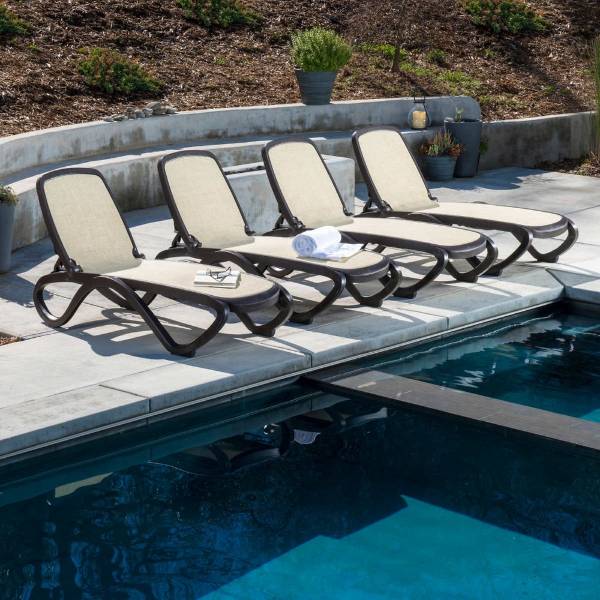
Table length should be considered with the room around it. A long table can look elegant, but it creates a fixed barrier across the patio if placed the wrong way. Turning it parallel to the main route often improves flow. If the patio has a view, angle the seating so people can enjoy it without twisting in their chairs.
For flexible spaces, smaller tables placed apart can work better than one large table. Two compact sets create options for different group sizes and can be rearranged for events. They also leave more open patio between them. The trade-off is that each set needs its own clearance, so the total footprint can still add up.
Practical checks before buying
- Measure the dining zone, then mark the chair pullback area around where the table will sit.
- Check door swings, gates, steps, planters, and any fixed seating before settling on a size.
- Picture the usual meal, including place settings and serving dishes, not just an empty tabletop.
- Choose a shape that supports movement through the patio rather than blocking it.
A table should make the patio easier to use. When the size fits the space, meals feel relaxed, chairs move without effort, and the area stays open for everything else the patio is meant to do. Good outdoor dining furniture supports that balance by combining comfortable proportions with materials suited to life outside.
Corrections
Spot something wrong? Send it to the desk and it gets fixed in the open.